Leadership Philosophy
Leadership Philosophy Statement
Jeremiah 3:15 says, “I will give you shepherds after my own heart, who will feed you with knowledge and understanding.” This verse has been the foundation of my ministry for 26 years. It defines what I believe about leadership, about shepherding, and about the calling God places on those who lead the church. A shepherd after God’s own heart does not lead from a distance. A shepherd after God’s own heart does not abandon the flock when times are hard. And a shepherd after God’s own heart feeds people — not with empty comfort, but with knowledge and understanding that equips them to stand.
I have been shaped by prophetic voices who embodied this kind of leadership: the Rev. Dr. Jeremiah A. Wright, under whom I trained as a Wright Scholar; Bishop Henry McNeal Turner, whose fearless witness to justice inspires me still; the Rev. Dr. Otis Moss, whose pastoral depth and prophetic clarity model what it means to shepherd a people; and Bishop Reginald T.
Jackson, whose commitment to the connection and to the gospel has shown me what episcopal leadership looks like at its best.
These leaders taught me that to “feed with knowledge and understanding” is to form disciples — not to leave people to spiritually fend for themselves. It means teaching people scripture, theology, and the history of our struggle so that they can interpret their own lives through the lens of faith. It means equipping people to lead, not creating dependents. It means walking with
people through valleys, not promising them a life without suffering. And it means calling people to costly discipleship, not offering them cheap grace.
I have learned that the tension between being a shepherd after God’s heart and choosing the easier path is ever-present. In today’s turbulent times, it is easy to conform, to maintain the status quo, to avoid controversy in the name of institutional safety. But we are called to be bold and courageous as our acestors were — to stand for justice and equality for all, not to cower out of fear of retribution by our government or society. This was the same pressure Jesus faced before his crucifixion. He did not compromise. Neither did Richard Allen. Neither did our mothers and fathers in the faith. And neither can we.
My leadership philosophy is grounded in three convictions:
Second, leadership is formational. My calling is not to create followers but to build leaders. I believe deeply in the capacity of people to grow, to lead, and to become the fullness of who God created them to be. My work is to create space for that growth — to teach, to mentor, to equip, and then to step back and let others lead.
Third, leadership is prophetic. The church does not exist to make people comfortable. It exists to make disciples who can stand in turbulent times, who can speak truth to power, who can build beloved community even when the world is falling apart. A bishop after God's own heart must be willing to lead with courage — even when it costs something.
This is who I am. This is how I lead. And this is what I will bring to the episcopacy: a shepherd’s heart, a teacher’s commitment to formation, an administrator’s capacity to build systems that serve people, and a prophet’s refusal to compromise the gospel for the sake of convenience.
I am not running for bishop to be popular. I am running to serve the African Methodist
Episcopal Church as a shepherd after God’s own heart — one who will feed the people with knowledge and understanding, who will walk with them through every valley, and who will call
them to the costly, liberating, world-changing discipleship that Jesus modeled and our ancestors
lived.
Photo and Video Gallery
Moments with Dr. Fowler
Rev. Dr. Otis Moss, III
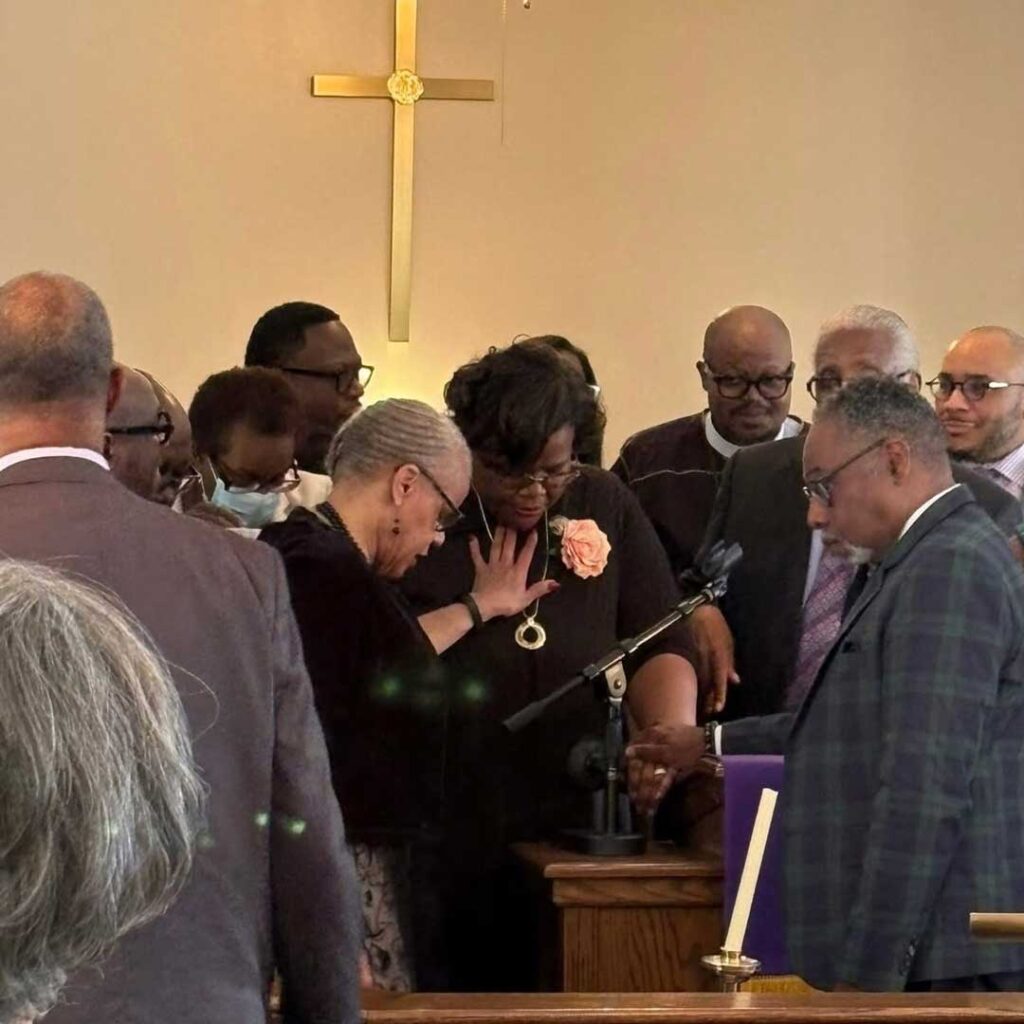
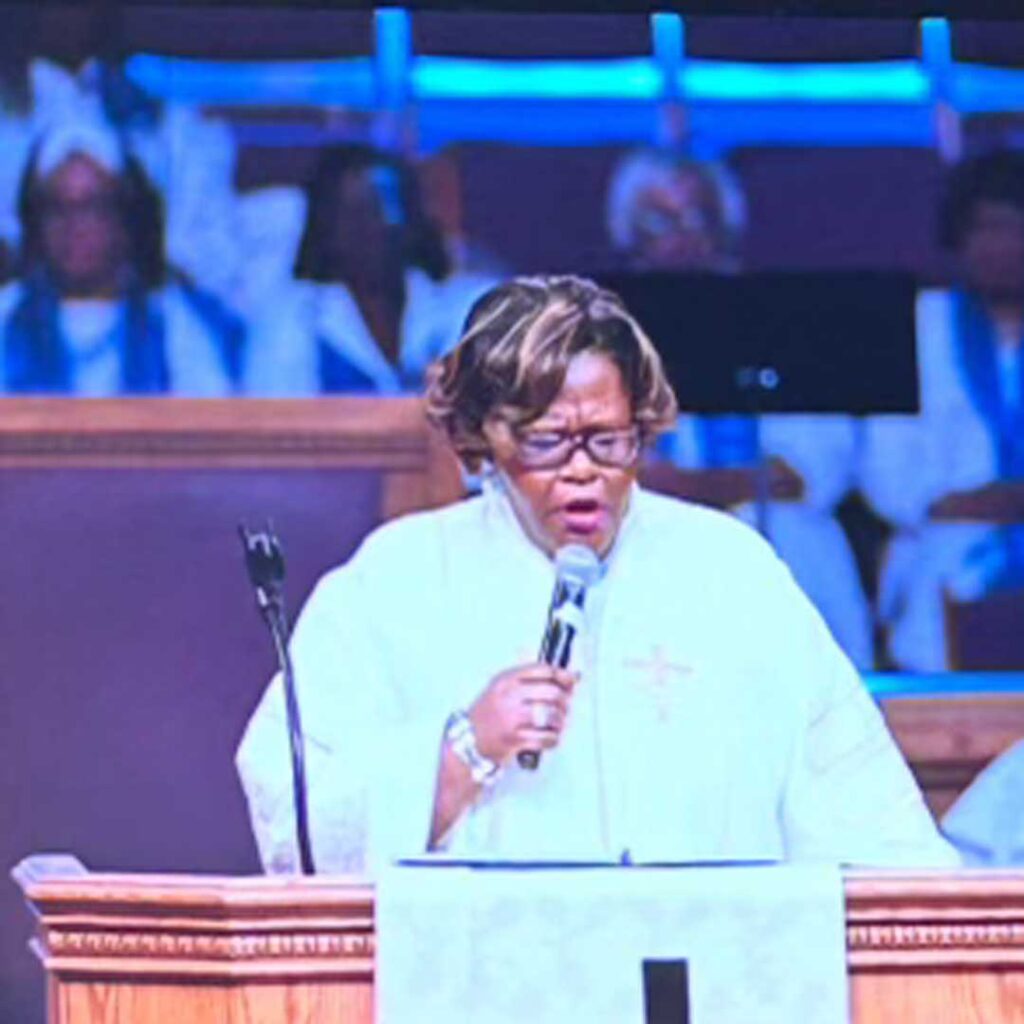
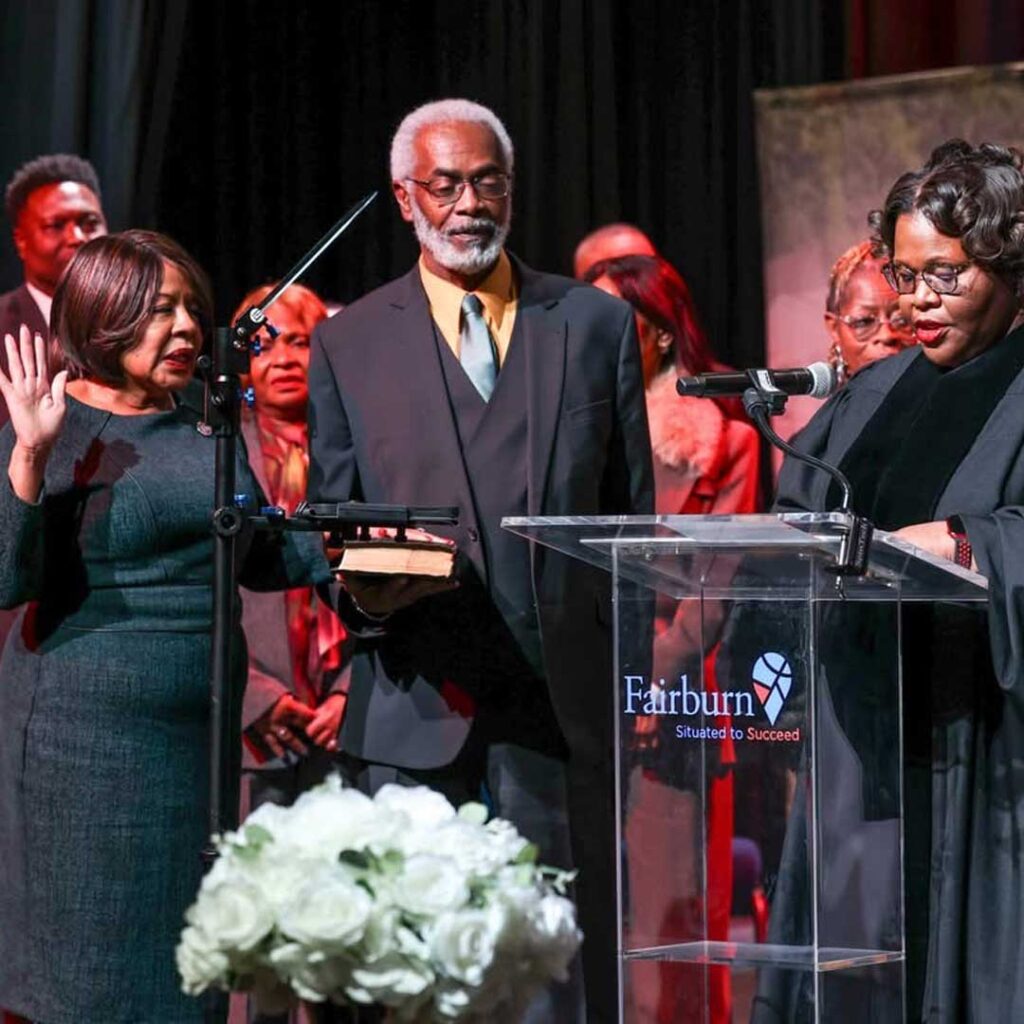
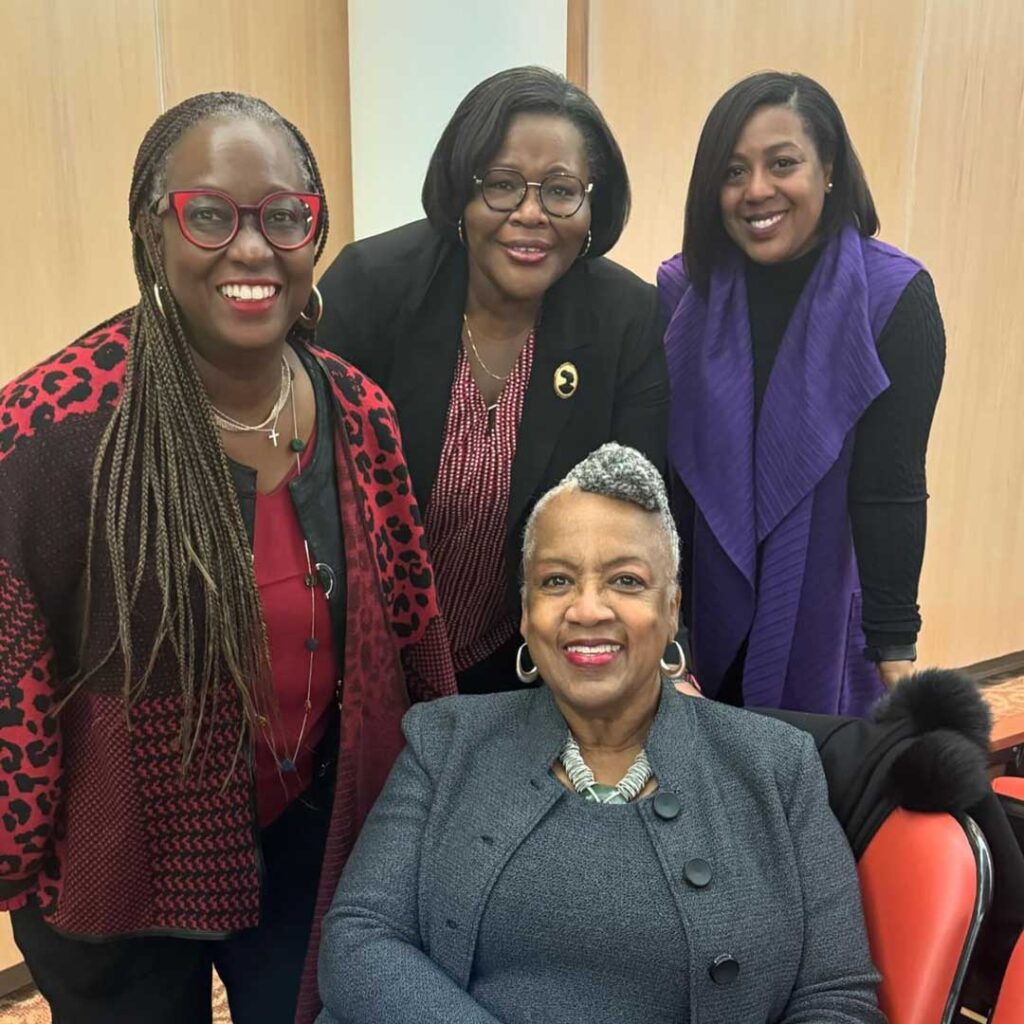
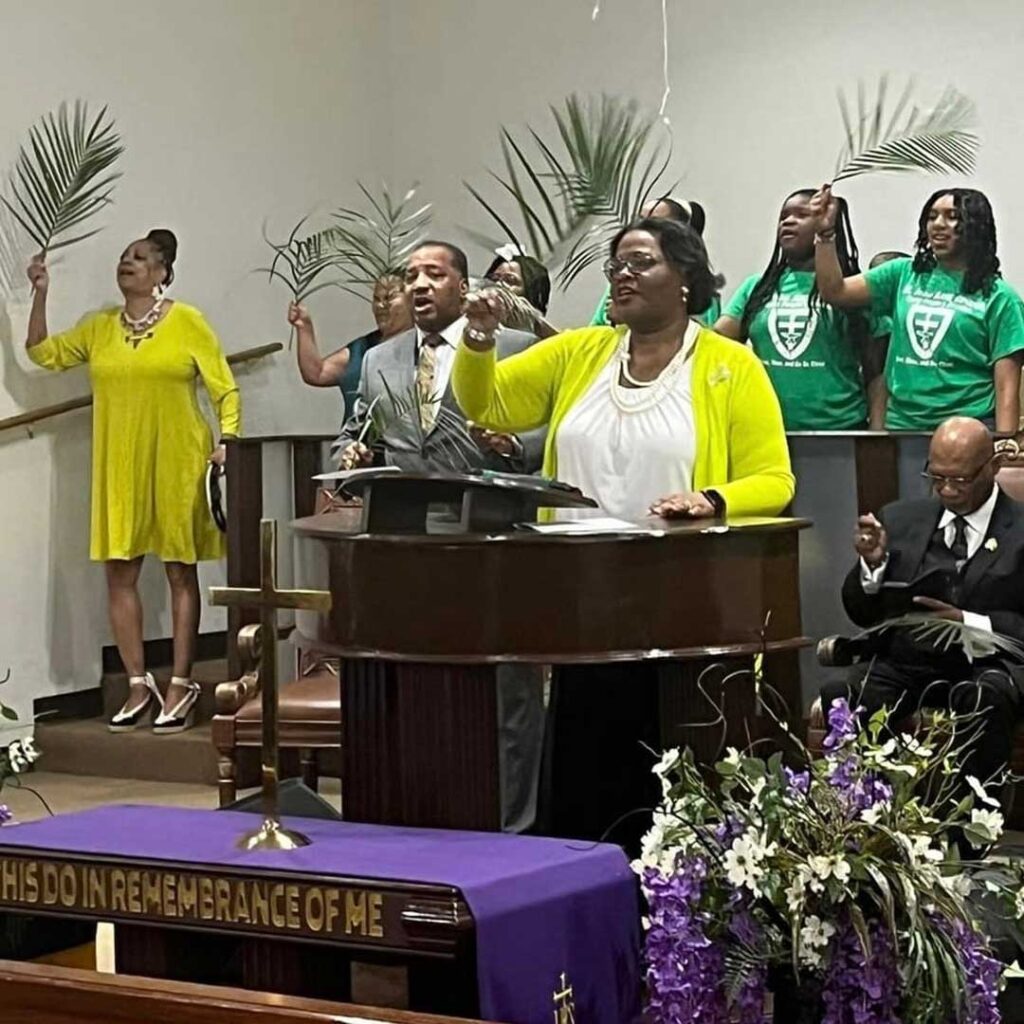
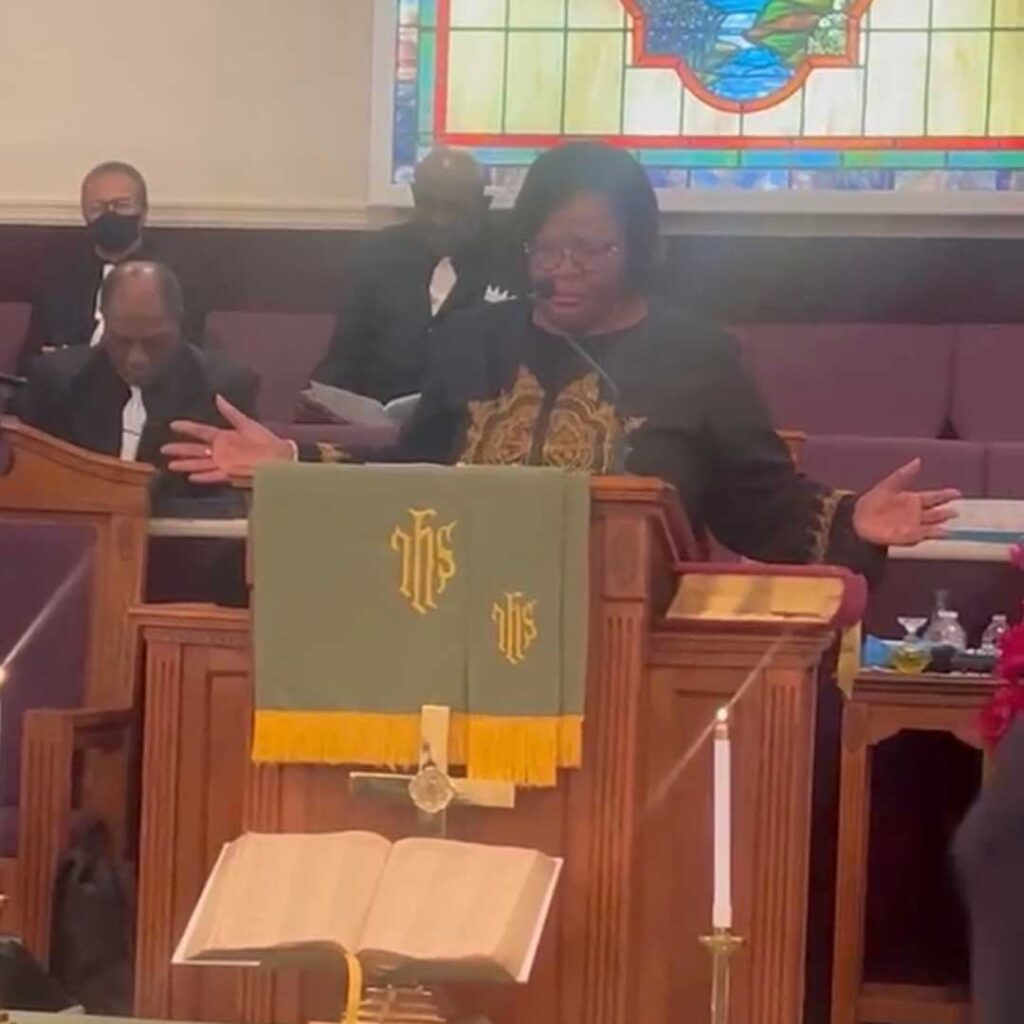
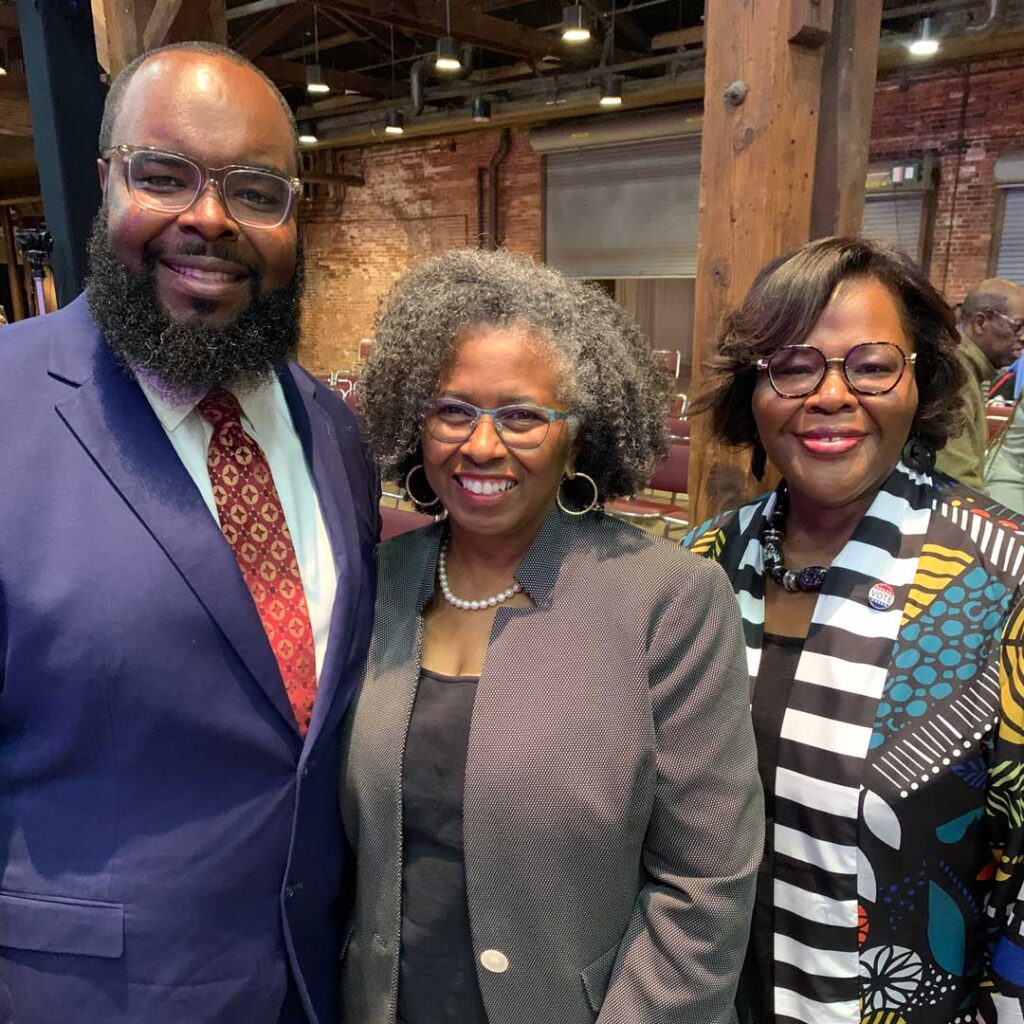
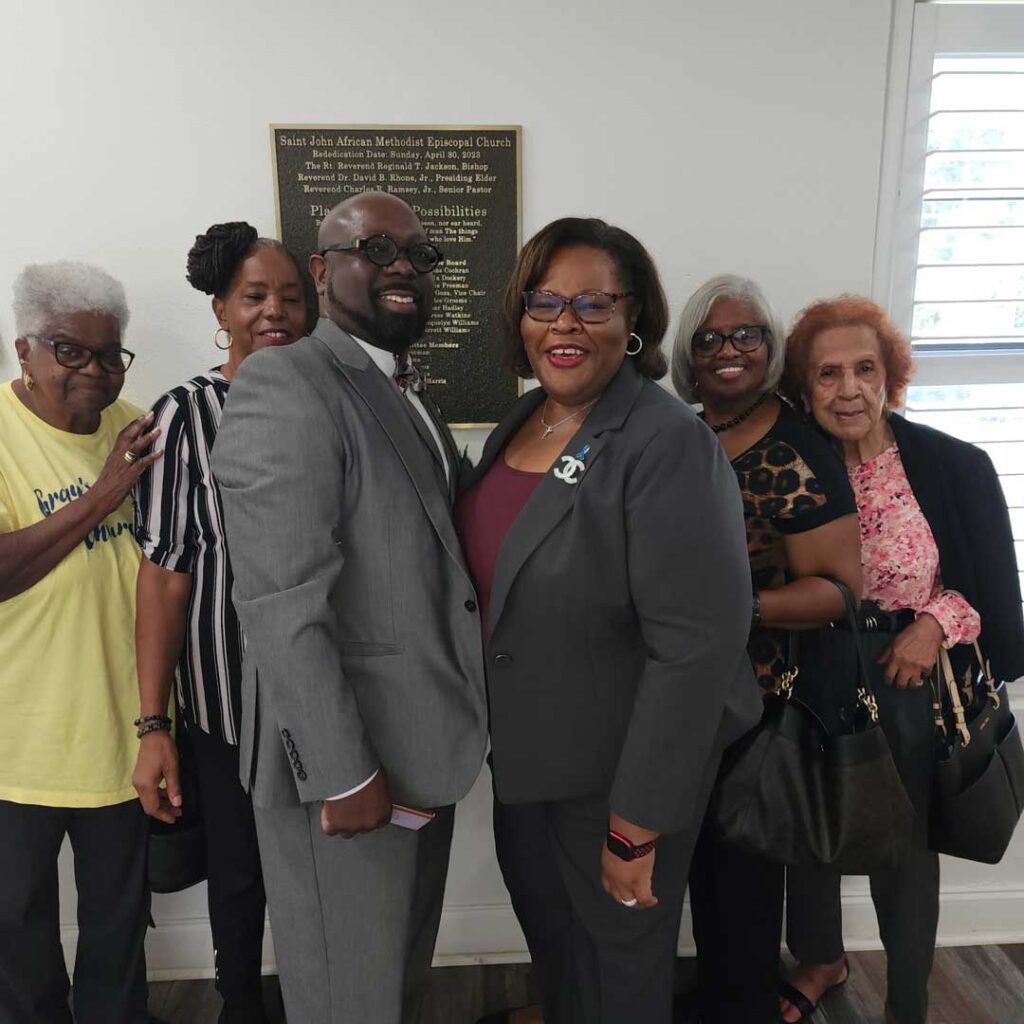
Snapshots of faith, fellowship, and service in action.